

Hey there! As a supplier of Carbon Steel Single Stamping Dies, I often get asked a bunch of questions about what these dies can and can't do. One question that pops up quite a bit is, "Can a Carbon Steel Single Stamping Die be used for stamping copper alloys?" Well, let's dive right into it and find out.
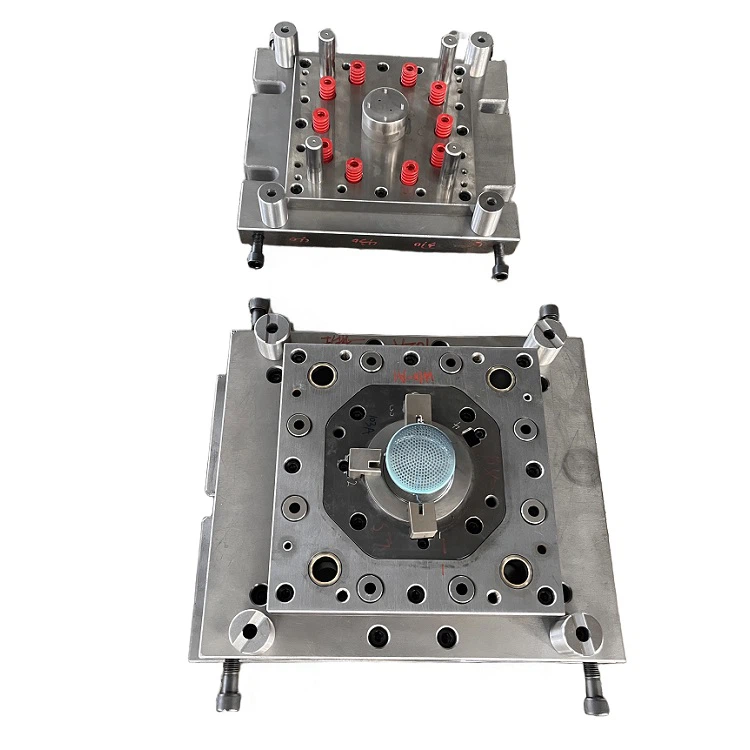
First off, let's talk a bit about carbon steel single stamping dies. These dies are pretty popular in the stamping industry. They're made from carbon steel, which is known for its strength and durability. Carbon steel has been around for ages and is used in all sorts of applications because it's relatively inexpensive and easy to work with. You can check out more about Carbon Steel Single Stamping Die on our website.
Now, let's turn our attention to copper alloys. Copper alloys are a group of metals that contain copper as the main element, along with other elements like zinc, tin, or nickel. These alloys are known for their excellent electrical conductivity, corrosion resistance, and malleability. They're used in a wide range of industries, from electronics to construction.
So, can a carbon steel single stamping die be used for stamping copper alloys? The short answer is yes, it can. But, like with anything, there are some things to consider.
Advantages of Using Carbon Steel Single Stamping Dies for Copper Alloys
One of the main advantages of using a carbon steel single stamping die for stamping copper alloys is cost. Carbon steel is generally less expensive than some of the other materials used to make stamping dies, like tool steel or carbide. This means that if you're on a budget, a carbon steel die can be a great option.
Another advantage is that carbon steel is relatively easy to machine. This means that it's easier and quicker to make a carbon steel single stamping die compared to dies made from other materials. This can save you time and money in the long run.
Carbon steel also has good wear resistance. When stamping copper alloys, the die needs to be able to withstand the forces and friction involved in the stamping process. Carbon steel can handle this pretty well, especially if it's properly heat-treated.
Disadvantages and Challenges
However, there are also some disadvantages and challenges when using a carbon steel single stamping die for stamping copper alloys. One of the main challenges is that copper alloys can be quite soft and sticky. This means that they can stick to the die during the stamping process, which can cause problems like poor surface finish and increased wear on the die.
To overcome this, you need to use a lubricant during the stamping process. A good lubricant can help reduce friction and prevent the copper alloy from sticking to the die. But finding the right lubricant can be a bit of a trial and error process.
Another challenge is that carbon steel may not be as hard as some of the other materials used for stamping dies. This means that it may wear out more quickly, especially if you're stamping a large number of parts. If you're planning to do high-volume stamping, you may need to consider using a different type of die material.
Real - World Applications
Carbon steel single stamping dies are used in a variety of industries for stamping copper alloys. For example, in the construction industry, Construction Hardware Single Stamping Die can be used to stamp copper alloy components for things like door handles and hinges. These dies are able to produce high - quality parts at a relatively low cost.
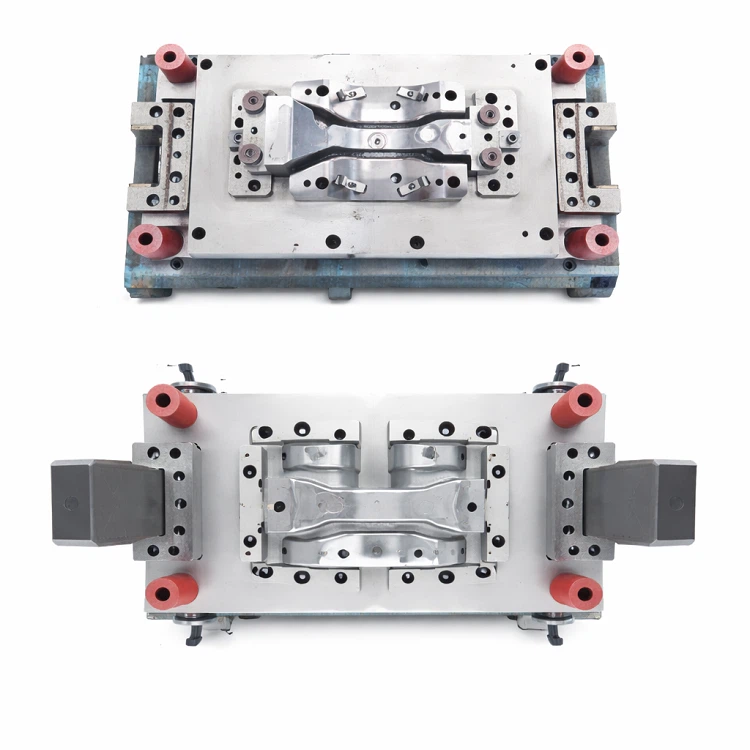
In the automotive industry, Automotive Body Panel Single Stage Trimming Die can also be made from carbon steel to stamp copper alloy parts. These parts are often used in electrical systems and other components of the vehicle.
Tips for Using Carbon Steel Single Stamping Dies with Copper Alloys
If you decide to use a carbon steel single stamping die for stamping copper alloys, here are some tips to help you get the best results:
- Choose the right carbon steel grade: Not all carbon steels are created equal. Make sure you choose a grade that has the right combination of strength, hardness, and wear resistance for your specific application.
- Heat - treat the die properly: Heat - treating can improve the hardness and wear resistance of the carbon steel die. Make sure you follow the correct heat - treating process to get the best results.
- Use the right lubricant: As mentioned earlier, a good lubricant is essential to prevent the copper alloy from sticking to the die. Experiment with different lubricants to find the one that works best for your application.
- Monitor the die for wear: Regularly inspect the die for signs of wear and tear. If you notice any issues, make sure to address them quickly to prevent further damage.
Conclusion
In conclusion, a carbon steel single stamping die can definitely be used for stamping copper alloys. It offers some advantages like cost - effectiveness and ease of machining, but it also comes with some challenges. By understanding these challenges and following the tips mentioned above, you can use a carbon steel single stamping die to produce high - quality copper alloy parts.
If you're interested in purchasing a carbon steel single stamping die for your copper alloy stamping needs, feel free to reach out to us. We're here to help you find the right die for your specific application and provide you with the support you need to get the best results.
References
- Smith, J. (2020). Handbook of Metal Stamping. Metal Press Publications.
- Johnson, A. (2019). Copper Alloys: Properties and Applications. Alloy Science Books.


